Training
Strength training, for starting again
How to begin, how much is enough, and how to train around sore knees, a stiff back or a health condition. Every claim has a source you can check.
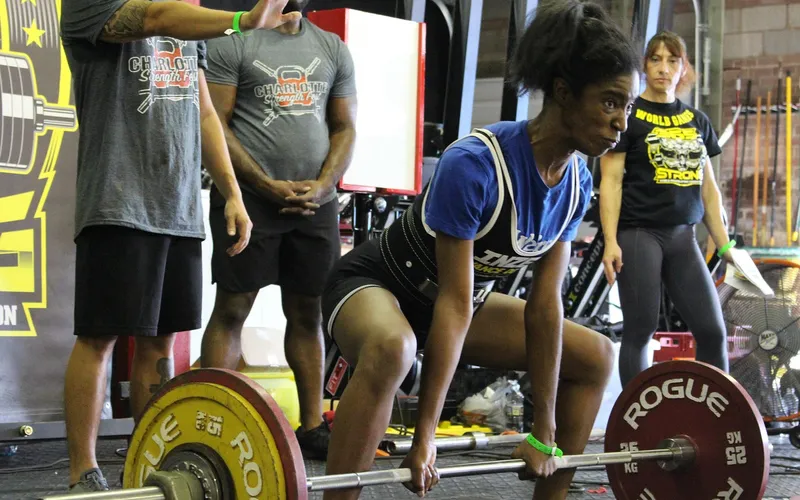
Starting out
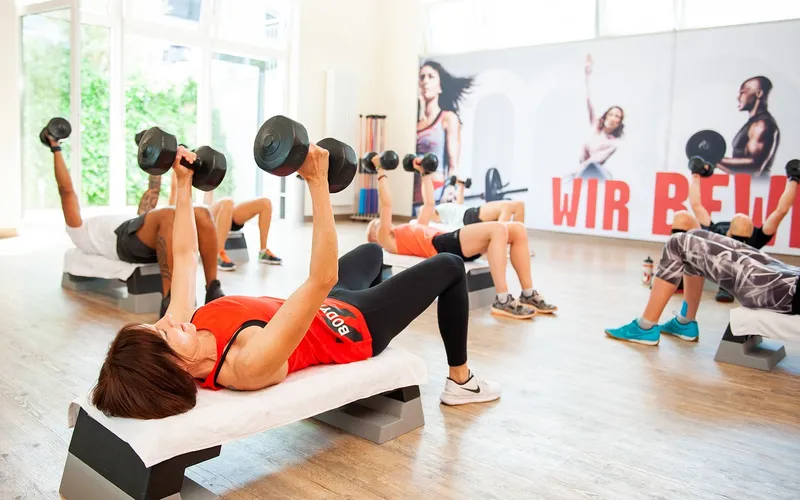 How to start strength trainingA four-week plan for your first month of strength training, with the exercises, sets, weights and rest that make sense when you are starting from zero.
 Deload weeks: do you need one, and how to take oneWhat a deload week is, what the evidence says about it, signs it may help, and how to ease off without losing progress.
 Full body or split routine: which should you choose?A plain comparison of full-body training and split routines, what the research says about frequency, and which one fits 2, 3, 4 or 5 days a week.
 Gym or home: where should you train when starting out?Both a gym and home training build strength. Compare cost, time, equipment and comfort, and see what a starter setup looks like for each.
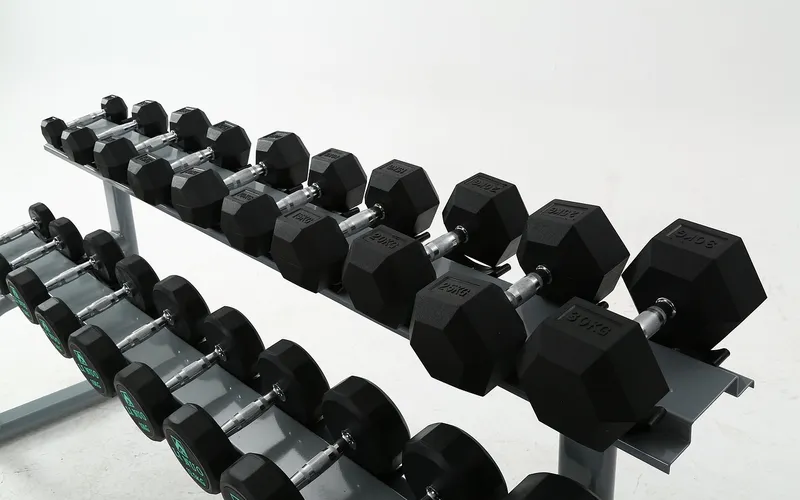 How heavy should you lift?How to pick a starting weight using reps in reserve, when to go heavier, and a worked example of finding your weight on three exercises.
 How long should you rest between sets?How many minutes to rest between sets for strength and muscle, what a 2018 review found, and how to rest when your time is short.
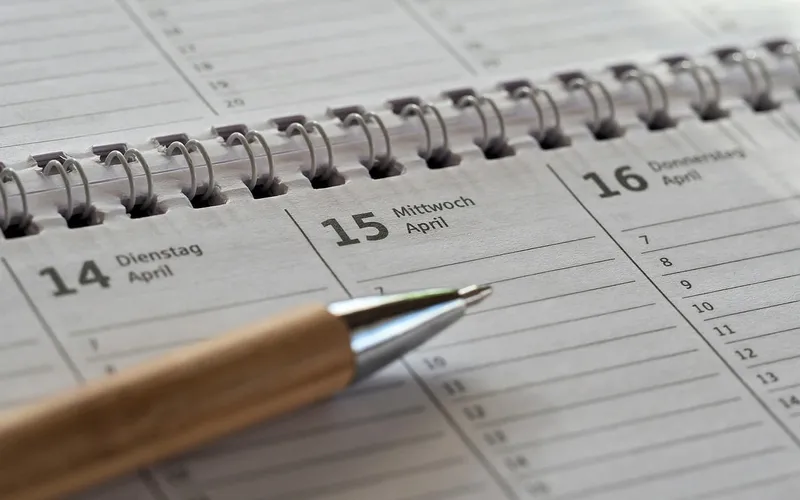 How many days a week should you lift weights?Two days a week is enough to start and to keep making progress. Here is what two, three and four days look like, and how to choose.
 How to build a workout plan: a step-by-step methodA simple method for writing your own strength plan: pick days, split, exercises, sets and reps, then progress and review, with a worked example.
 How to warm up before strength trainingA simple five-to-eight minute warm-up for home or gym, followed by lighter ramp-up sets. What to do, in what order, and what to skip.
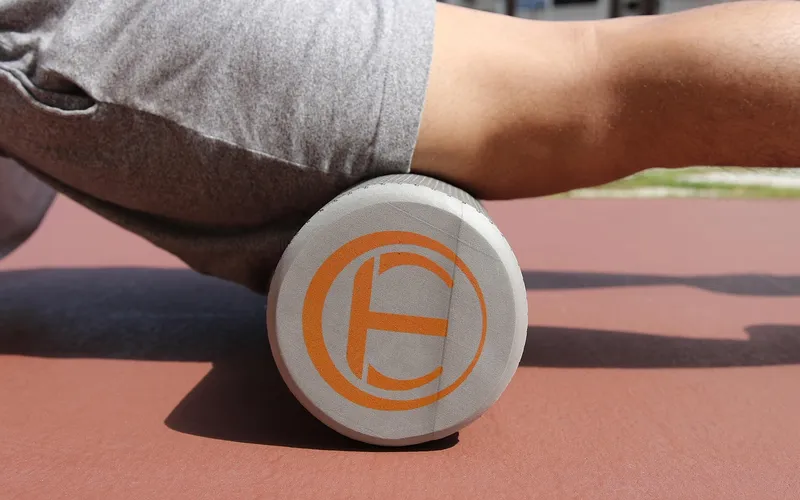 Muscle soreness after trainingWhy your muscles ache a day or two after training, how long it lasts, whether to train while sore, and when soreness is something else.
 Physical activity guidelines, explainedWhat the WHO and NHS actually recommend for adults and older adults, what moderate and vigorous mean, and how it looks in a real week.
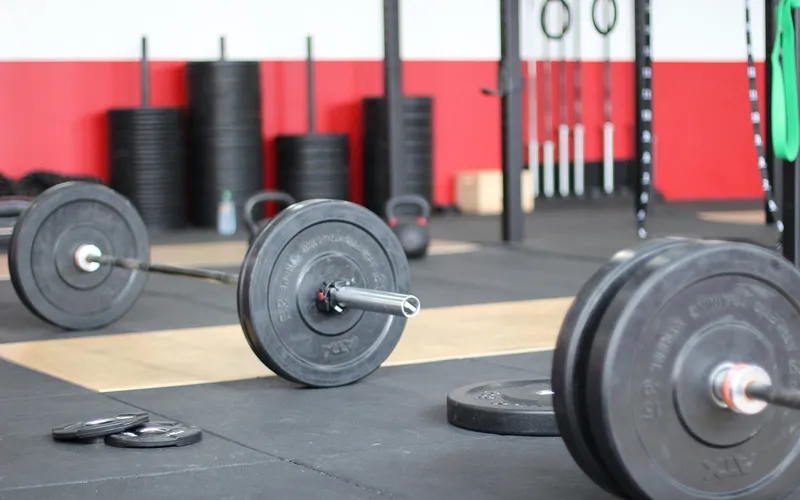 Progressive overload explained: how to keep getting strongerWhat progressive overload means, five ways to apply it beyond adding weight, and a simple weekly rule for knowing when to step up.
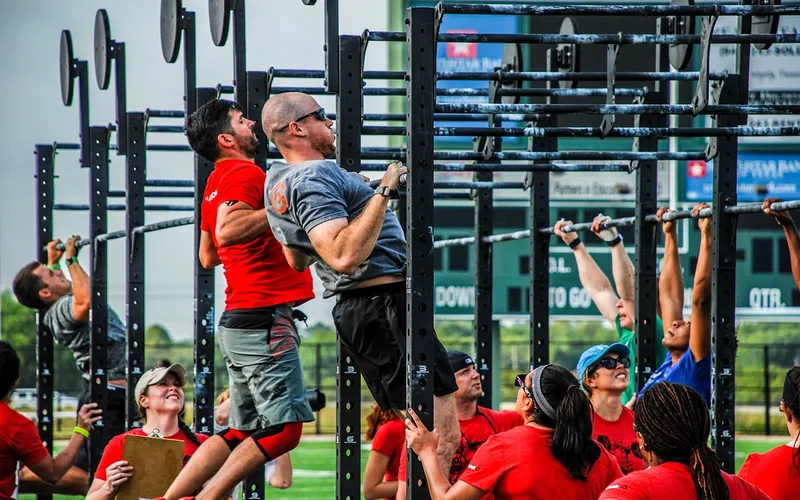 Push pull legs explained: how the split worksWhat a push pull legs split is, how to run it on 3, 4, 5 or 6 days, a sample week, and when full-body training is the better choice.
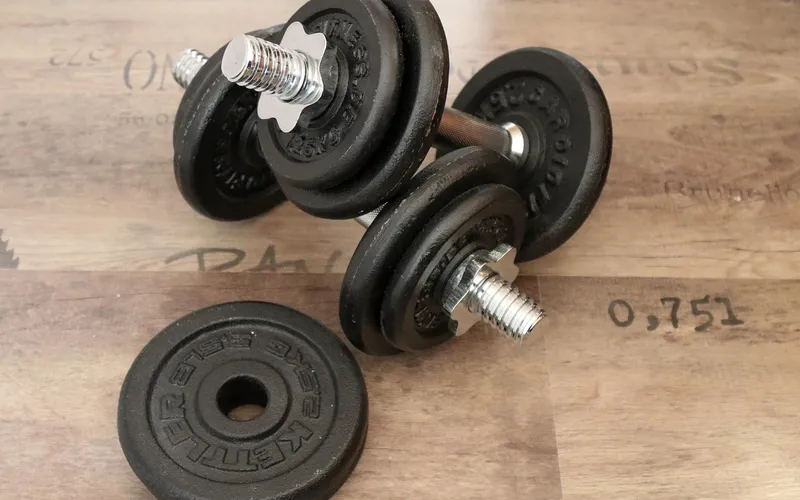 Sets and reps explainedWhat sets and reps are, how many you need as a beginner, and how to count your weekly sets per muscle, with a full worked example.
 Why strength training matters, especially later in lifeWhat the evidence says about strength training and health, how strong that evidence is, and how little you need to get the main benefit.
 Your first race: what to expect and how to prepareWhat to expect at your first 5K, 10K or half marathon, a checklist for the week before, a race-morning plan, and what to do afterwards.
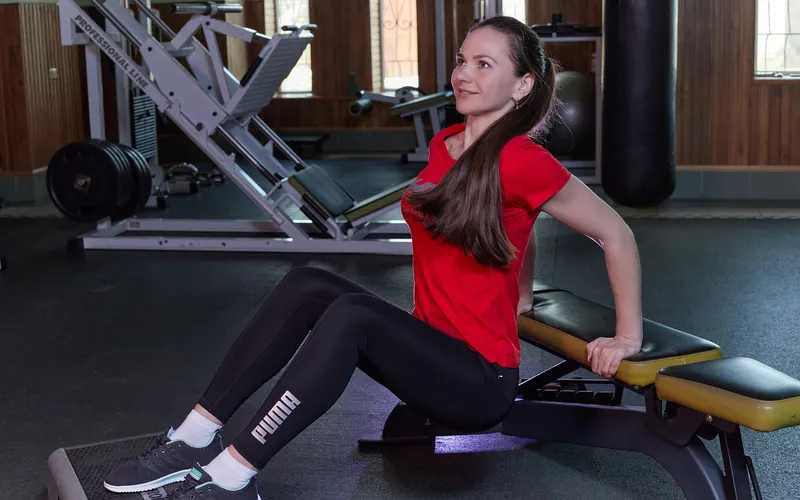 Your first time at the gymWhat happens on your first gym visit, minute by minute, which machines to use, what to bring, and the unwritten rules nobody explains.
Starting after 40
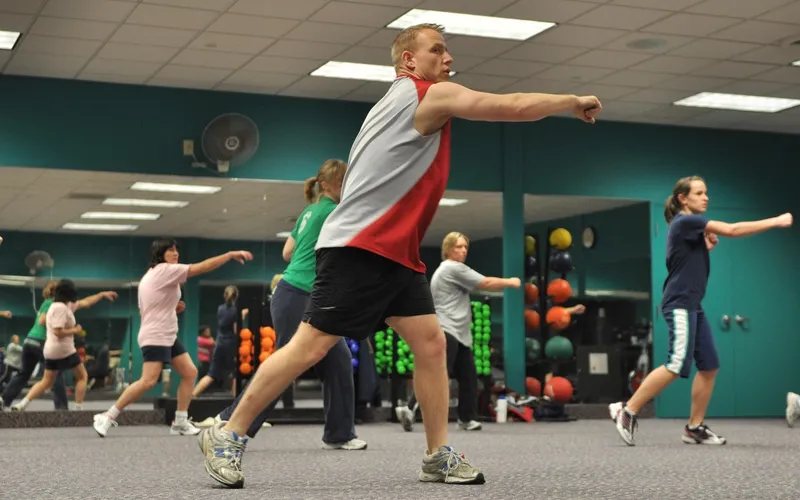 Strength training after 40How to start or restart strength training after 40, what changes with age, a weekly plan, and how protein, recovery and joints fit in.
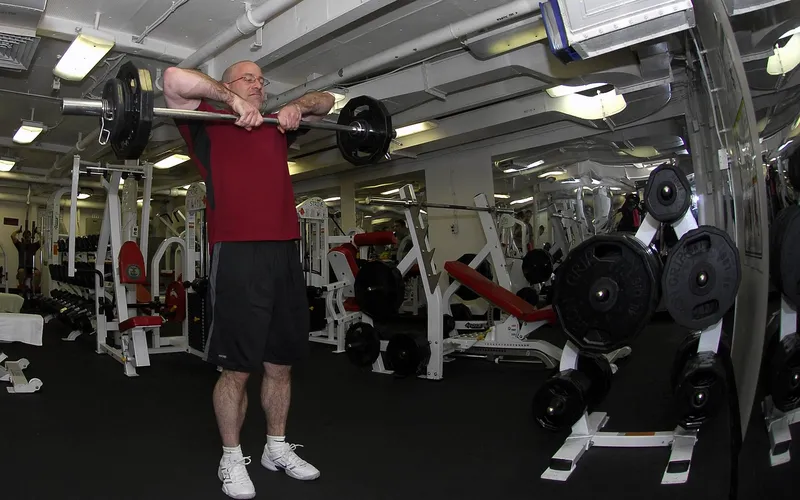 Is it too late to build muscle?It is not too late to build muscle at 50, 60 or 70. What the research shows, what to expect in the first three months, and how to start.
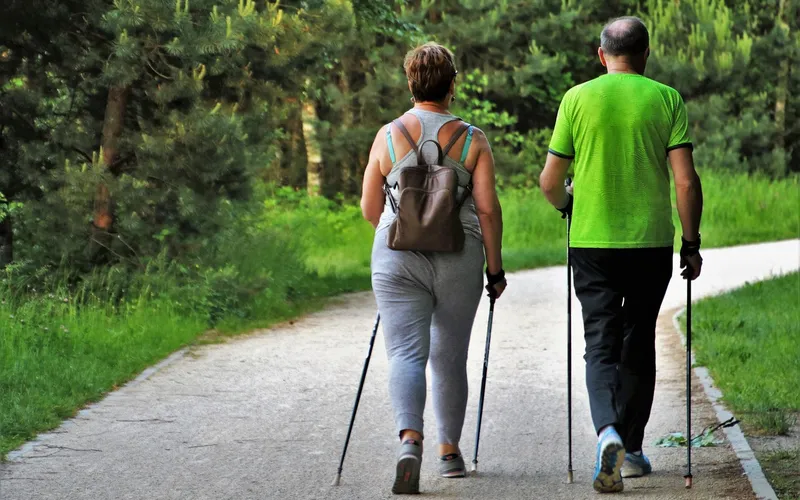 Strength training after 60A gentle, proven way to start strength training after 60, with a sample week including balance work, safety checks and protein targets.
 Strength training and menopauseWhat strength training can and cannot be shown to do around menopause. Good evidence for bone and strength, thin evidence for symptoms.
Training at home
 Strength training at homeHow to build real strength at home with dumbbells, bands or just your body. How often, how many sets, how to progress, and a plan for the week.
 A dumbbell workout you can do at homeTwo full-body dumbbell sessions for home, with sets, reps, rest and how to pick a weight. Built for adults starting again.
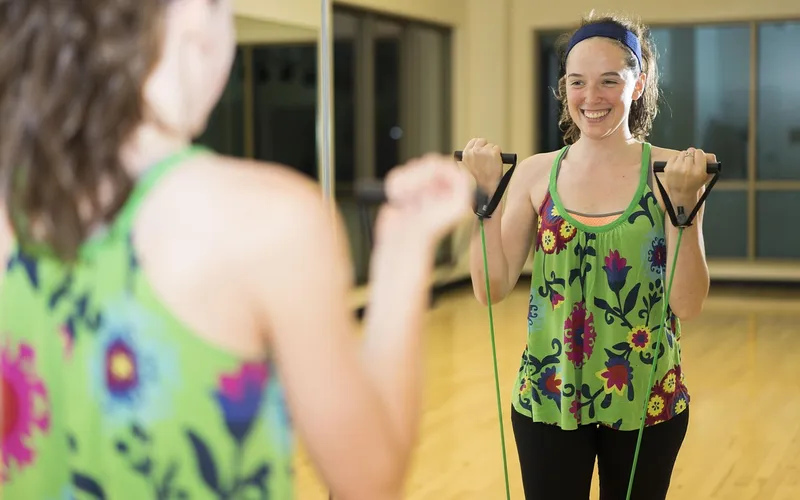 A resistance band workout for the whole bodyA 30-minute full-body band workout, which band strength to use, how to anchor it safely, and how to make it harder as you get stronger.
 Bodyweight workout for beginnersA no-equipment workout in three levels, from chair squats and counter push-ups upward. Start where you are and move up one step at a time.
Walking
 How many steps a day do you need?What the research says about daily steps, why 10,000 is not a magic number, and how to build up from where you are now.
 Walking and strength training in the same weekHow to fit walking and strength training into one week, which to do first on the same day, and three sample weeks for different schedules.
Knees
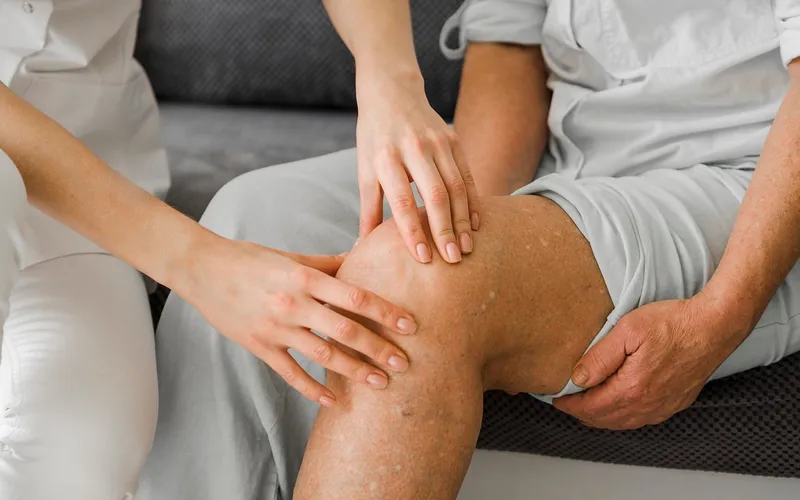 How to train with knee painHow to keep training when your knee hurts. A simple pain rule, exercise swaps that go easier on the knee, a sample week, and when to see someone.
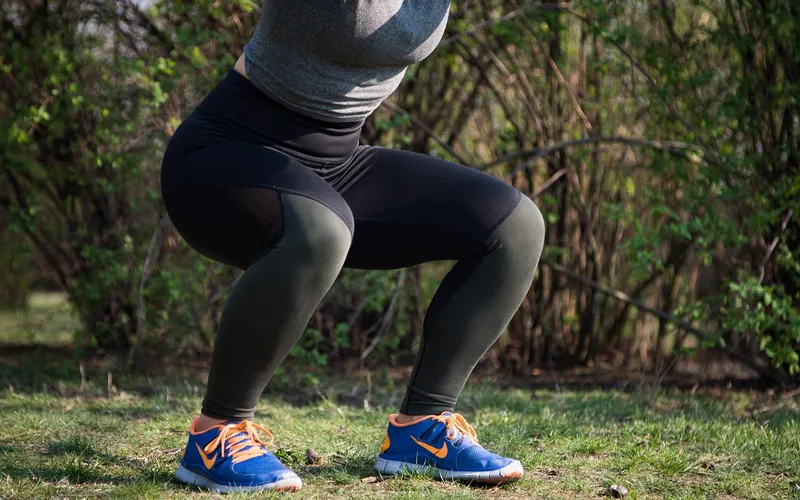 10 knee-friendly leg exercisesTen leg exercises that put little load on the knee, how Amble rates each one, how to do them, and how to fit them into a week.
 Exercise for knee osteoarthritis, what helpsWhat the research says about exercise for knee osteoarthritis, what kind to do, how much, and how to handle flare-ups.
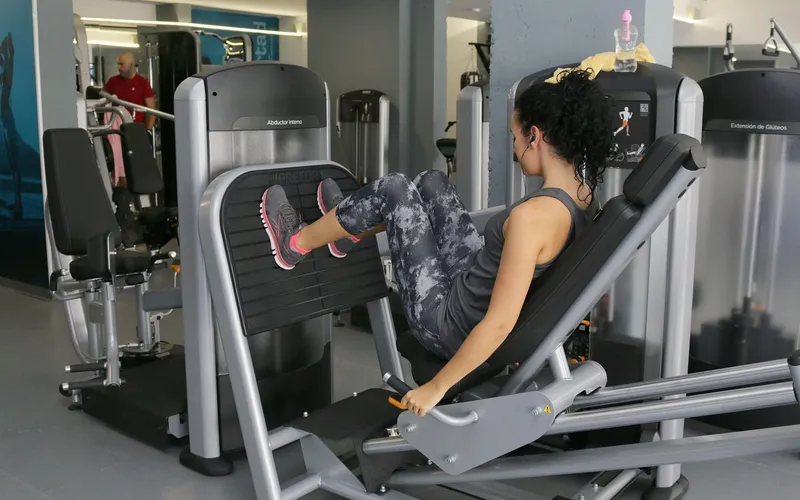 Leg press vs squat, which is better for your knees?Leg press or squat? How they differ for the knees and back, what the research says about machines and free weights, and how to choose.
Back
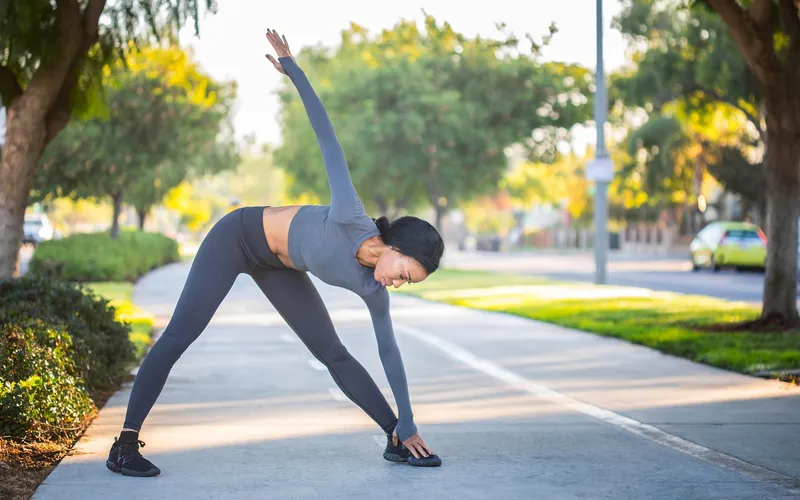 How to train with lower back painHow to keep training with an aching lower back. Warning signs to check first, what the evidence says, gentler exercises and a flare-up plan.
 A 25-minute routine for lower back painA simple routine of seven exercises for long-term lower back pain, in the order to do them, with sets, reps and easier versions.
 Deadlift alternatives that are easier on your backEight deadlift alternatives ranked by how much they load the lower back, from glute bridges to the trap bar, and how to choose one for your goal.
Health conditions
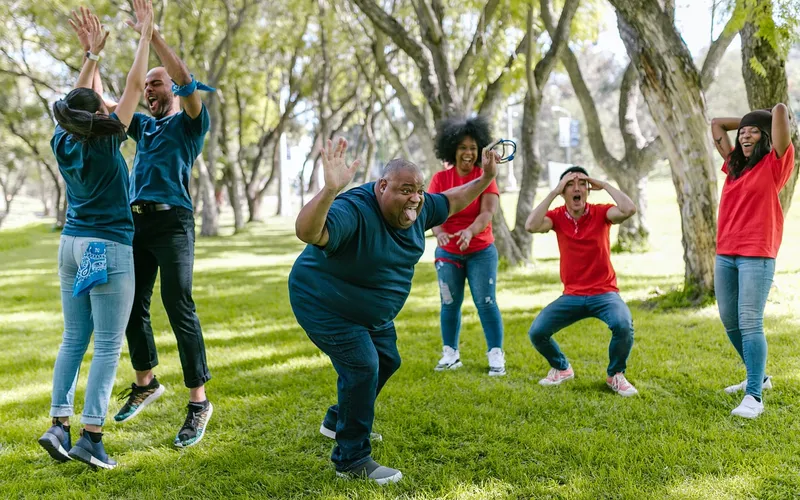 Training with a health conditionHow to start strength training with a health condition: what to ask your doctor, how to start low and build up, and guides for common conditions.
 Exercise and type 2 diabetes, a weekly planHow much exercise the American Diabetes Association advises for type 2 diabetes, a sample week, and training safely around blood sugar.
 Returning to training after an injuryHow to get back to training after an injury in stages: physio first, then move, load and return, with signs that you are ready to step up.
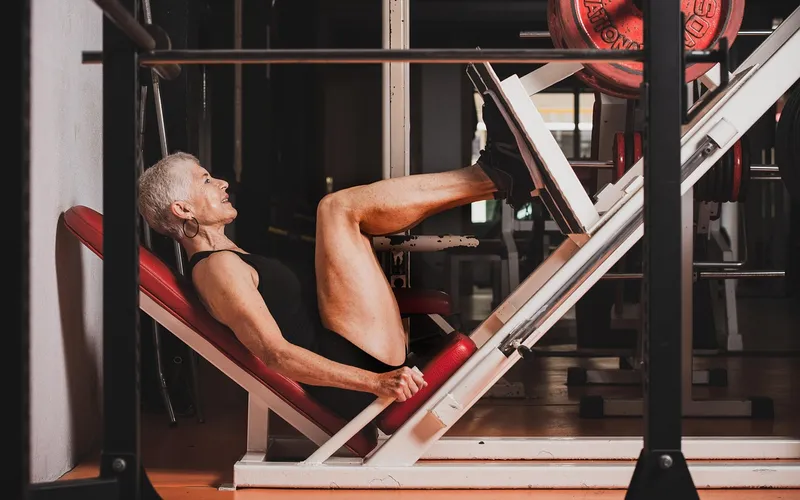 Strength training for osteoporosisWhat the LIFTMOR trial found about heavy lifting for low bone density, why it was supervised, and how to start strength and balance training safely.
 Strength training with high blood pressureIs strength training safe with high blood pressure? What the research says, how to breathe, how heavy to go, and what to ask your doctor first.
Keeping going
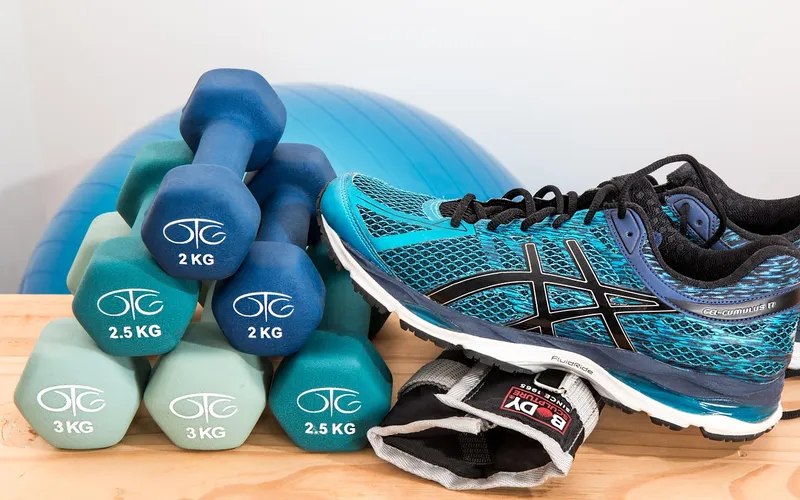 Cardio and strength together: how to combine themHow to fit running, cycling or walking around lifting without losing muscle, with a sample week, session order, and what two meta-analyses found.How to pace a raceHow to pick a target pace, why even pacing works for most distances, a pace table for 5K to marathon, and how to avoid starting too fast.
 How to stick with trainingPractical ways to keep training for months and years, not weeks, including a minimum week, fixed days, and how to come back after a bad stretch.How to taper before a raceHow long to taper for a 10K, half marathon or marathon, how much to cut, what to keep, and what research says about the best taper.
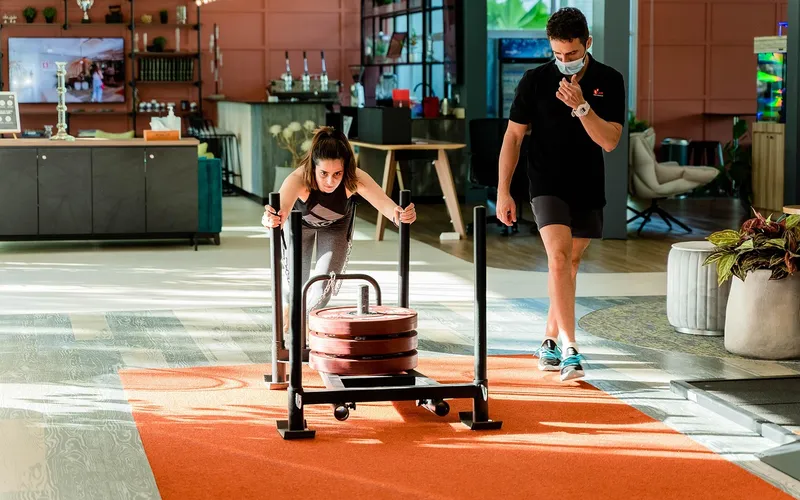 Hyrox training basics: how to prepare for your first raceWhat Hyrox is, how to build a weekly plan from running, strength and station practice, how to pace the race, and what to do in the final weeks.
 Meal planning for the week: a simple method that sticksHow to plan a week of meals in 30 minutes, with a method, a shopping list approach, protein and fibre targets, and what research says about planners.
 Missed a week of training? Here is how to start againHow to restart strength training after a week, a month or longer off, with the weights to use and what to expect in the first sessions back.The long run: how long, how fast and how oftenWhy the long run matters, how far to go for a 10K, half marathon or marathon, what pace to run it at, and how to build it up week by week.
 Training when you are busy: short sessions that workHow to keep strength training going on a packed week, with 20 to 30 minute sessions, what to cut first, and what the research says about minimums.What to eat before and during a raceHow much carbohydrate to take per hour in a 10K, half marathon or marathon, what to eat in the days before, on race morning and on the course.Zone 2 training explained: what it is and how to do itWhat zone 2 means, how to find your pace with the talk test, how much to do, and what research says about mostly easy training with some hard work.
Sleep and recovery
 HRV explained: what heart rate variability tells youHRV is the variation in time between heartbeats, in milliseconds. What it measures, normal values, why yours is personal and how to read it for recovery.
 Sleep and trainingHow much sleep adults need, what to do with a training session after a bad night, and practical habits that help training and sleep fit together.
Training, food and a coach that adapt to your week
Amble writes your week from your days, your minutes and your kit, and changes it with you.
Join the waitlistFree for 14 days at launch. No spam, one email when we launch.